
FTAsiaEconomy Crypto Trends – Tech, Finance & Investment
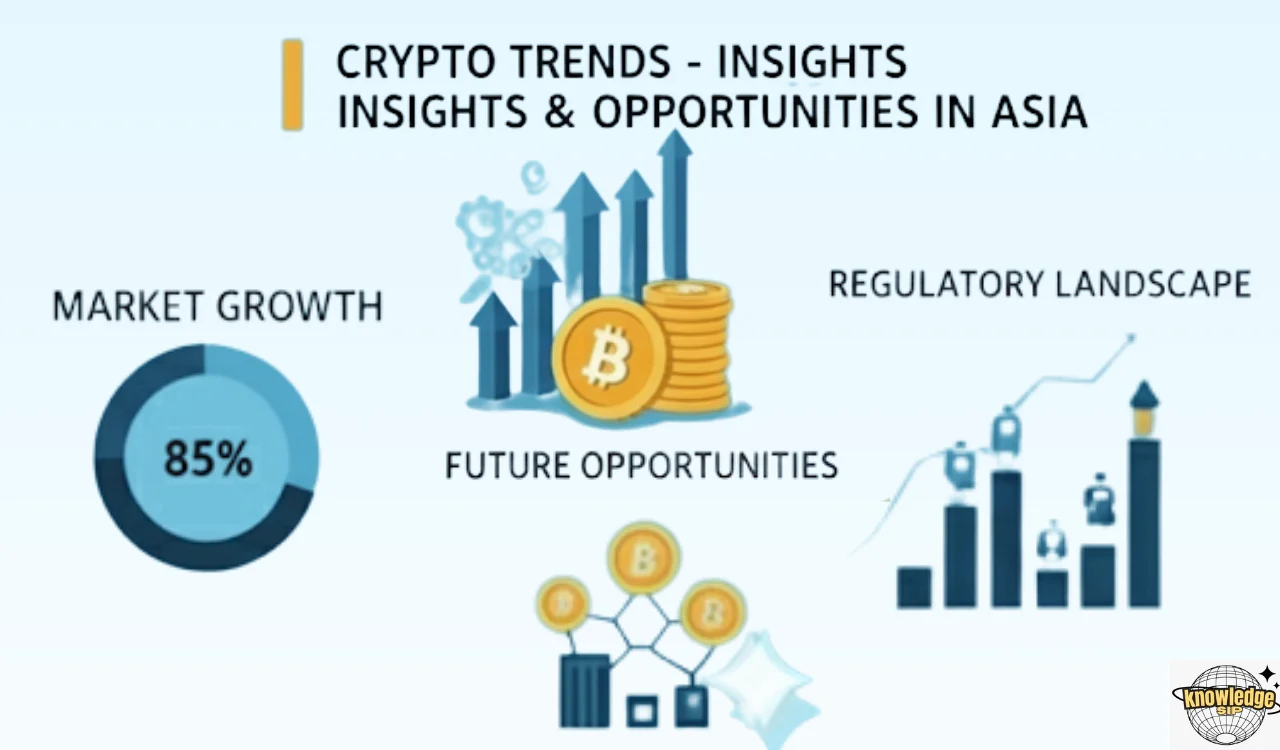
The Asian financial ecosystem is evolving at an unprecedented rate, with cryptocurrencies, fintech innovations, and emerging digital technologies propelling the region toward a new economic era. It highlights Asia’s growing role as a global leader in innovation, investment, and adoption of digital assets.
This article explores the multifaceted landscape of crypto adoption in Asia, examining its impact on financial markets, technological breakthroughs, regulatory frameworks, and the opportunities and challenges investors and businesses face
By the end, you’ll gain practical insights to navigate Asia’s crypto and digital economy with confidence.
Key Takeaways
What Are FTAsiaEconomy Crypto Trends?
It encompasses the latest developments, patterns, and forecasts in the Asian digital asset market. These trends reflect how the region is embracing cryptocurrencies as a transformative financial instrument while integrating them into traditional banking, investment strategies, and technological innovation.
The core drivers include:
Understanding Cryptocurrency
Cryptocurrency is a digital or virtual form of money secured by cryptography. Unlike fiat currencies, cryptocurrencies are decentralized and often operate on blockchain technology. Their transparent, fast, and secure nature offers alternatives for cross-border payments, investment opportunities, and financial inclusion.
Key cryptocurrencies influencing crypto trends include:
Blockchain technology now extends beyond finance into sectors like healthcare, logistics, and cybersecurity, further solidifying its importance.
The Role Of Cryptocurrency In The Financial Market
Cryptocurrencies are reshaping Asia-Pacific financial markets by providing alternative investment options and fast, transparent cross-border transactions.
Key Impacts:
It highlights how these factors drive the growth of both retail participation and institutional adoption across Asia.
You can also check out the 5StarsStocks com Guide to learn how to make smarter investment decisions.
Asia’s Economic Landscape & Cryptocurrency Adoption
Asia has emerged as a global leader in crypto adoption. Countries like China, Japan, South Korea, Singapore, India, Vietnam, and the Philippines are actively shaping it.
Factors Driving Adoption:
Institutional Investment In FTAsiaEconomy Crypto Trends
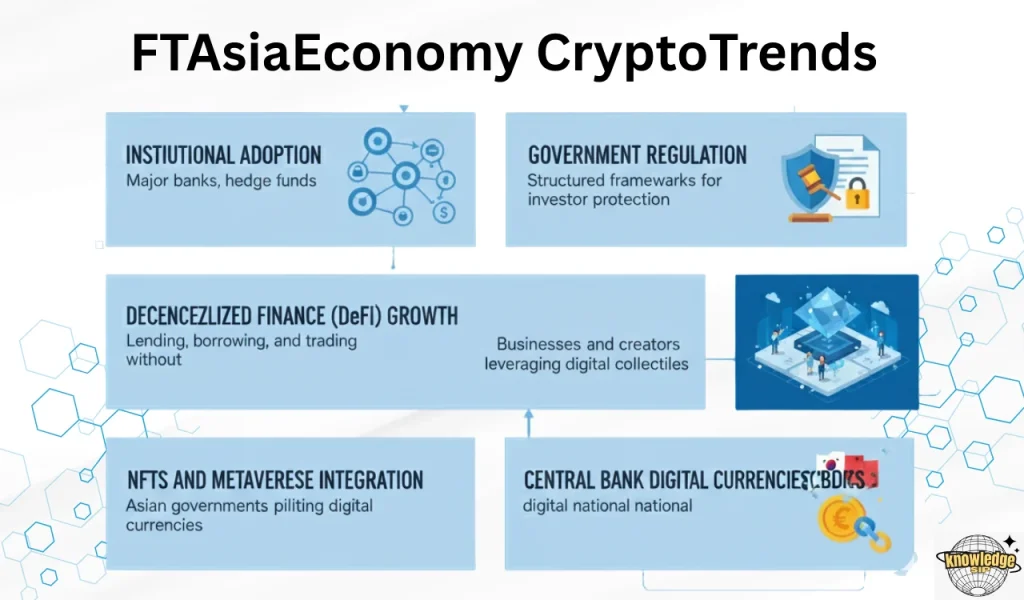
Institutional adoption is one of the most influential aspects of FTAsiaEconomy. Hedge funds, banks, and corporate investors increasingly include digital assets in their portfolios.
Practical advice for smaller investors: follow institutional movements, subscribe to professional data feeds, and consider secure custody options.
Decentralized Finance (DeFi) Growth
DeFi is a fast-growing component of FTAsiaEconomy trends. Total Value Locked (TVL) in Asian DeFi protocols surged from $10 billion in 2021 to over $45 billion by 2023.
Key Innovations:
Participants should audit smart contracts, use multisig wallets, and track new protocols to stay informed.
Central Bank Digital Currencies (CBDCs)
Several Asian nations, notably China and India, are piloting CBDCs, reflecting an important element of FTAsiaEconomy trends.
Examples:
CBDCs provide regulated alternatives to cryptocurrencies while supporting broader adoption of digital payment ecosystems.
NFTs and Metaverse Integration
Businesses and creators are leveraging NFTs and virtual ecosystems as a growing part of digital finance and culture.
Examples:
NFTs and metaverse ecosystems enable new revenue models, deepen community engagement, and position digital ownership as a core element of the emerging economy.
Many platform explores digital and real estate investment opportunities, aligning with the rise of tokenized virtual property in the metaverse.
Explore Begin Your Journey with Real Estate Investment – Full Starter Guide
Investment Opportunities
| Area | Key Focus |
| Blockchain Adoption | Applications in finance, logistics, and supply chain management |
| DeFi Expansion | Lending, borrowing, and yield farming |
| NFTs & Web3 | Digital asset creation and monetization |
| Tokenized Assets | Digitization of real-world assets to boost investment liquidity |
| AI Integration | Advanced trading, fraud detection, and data-driven analytics |
Technology Driving FTAsiaEconomy Crypto Trends
These trends are supported by a robust technological infrastructure. Key innovations include:
Regulatory Landscape Across Asia
Regulation remains uneven, a critical factor in FTAsiaEconomy trends.
Businesses must engage local counsel, document compliance, and monitor policy updates to avoid disruptions.
Challenges And Risks
| Risk Area | Key Details |
| Market Volatility | Crypto prices can fluctuate 15%+ in a single day |
| Security Threats | Vulnerabilities include hacks, phishing attacks, and rug pulls |
| Regulatory Uncertainty | Rules differ widely across countries, creating compliance challenges |
| Banking Restrictions | Limits on fiat-to-crypto transactions hinder liquidity |
| Public Awareness | Low understanding slows broader adoption |
Mitigation Strategies: Diversify investments, use multisig wallets, and stay updated on evolving legal frameworks.
With Zryly.com Internet Guide, you’ll learn practical ways to stay safe online and protect your crypto from threats.
Pros
Cons
Conclusion
Asia is rapidly embracing digital finance, blockchain innovation, and cryptocurrency adoption. From institutional investment to CBDCs, DeFi, NFTs, and technological advances, the region is actively shaping global financial narratives.
Despite challenges like regulatory uncertainty, volatility, and cybersecurity risks, opportunities remain vast for investors, businesses, and policymakers. By staying informed, adopting secure practices, leveraging technology, and fostering collaboration, stakeholders can effectively navigate and benefit from Asia’s dynamic crypto ecosystem.


